EN
EN SP
SP FR
FR
- Home
- About Us
- Products
- Service
- Project
- News
- Contact Us
Pulished on May. 25, 2023
barbed wire fencing is commonly used for perimeter security, but it raises concerns regarding the safety and welfare of animals. Balancing the need for security with the well-being of wildlife and domestic animals is essential when implementing such fencing systems.
One approach to mitigating the risks to animals is to incorporate additional measures into the double-layer barbed wire fencing. Adding smooth wire strands between the barbed wires can create buffer zones and reduce the chances of animals getting entangled or injured. These smooth wires serve as a barrier to prevent direct contact with the barbed wires while still providing the necessary security for human-controlled access.
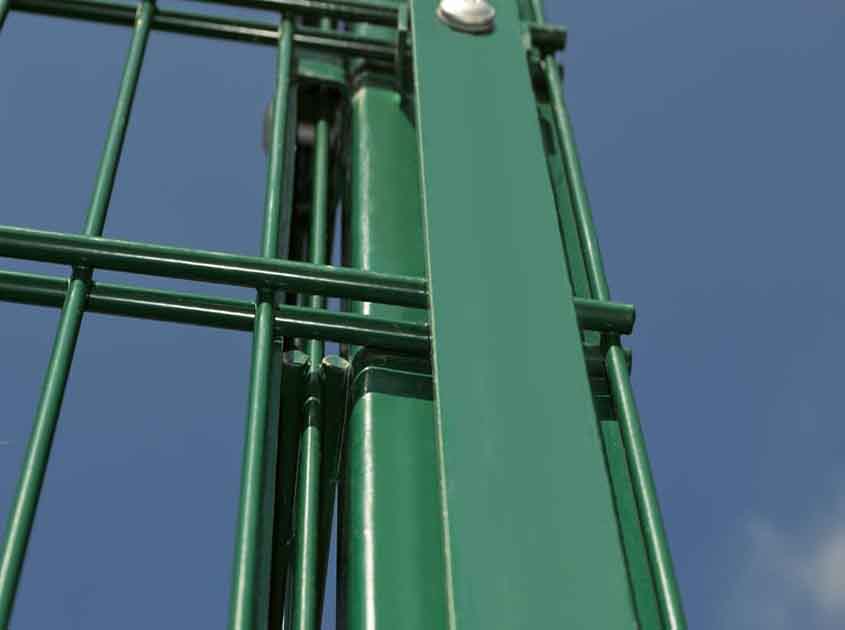
Furthermore, modifying the design of the barbed wire can minimize the potential harm to animals. Using wire with shorter barbs or blunt-tipped barbs can reduce the severity of injuries in case of accidental contact. Rounded or blunted wire ends can also decrease the risk of puncture wounds, making the fence safer for animals.
Consideration should also be given to the placement and maintenance of the double-layer barbed wire fence. Ensuring that the fence is correctly installed and properly tensioned reduces the likelihood of sagging wires that may pose a greater threat to animals. Regular inspections and repairs should be carried out to address any damaged or loose wires promptly.

Additionally, creating alternative pathways or wildlife corridors can help redirect animals away from the fenced areas. By providing designated routes or safe passages around the perimeter, animals are less likely to encounter the double-layer barbed wire fence and face potential harm.
Educating individuals and raising awareness about animal safety is crucial. Landowners, maintenance personnel, and users of the fenced area should be informed about the importance of animal welfare and the potential risks associated with double-layer barbed wire fencing. This promotes responsible behavior and encourages proactive measures to minimize harm to wildlife and domestic animals.
In conclusion, balancing the need for security with animal welfare is essential when utilizing double-layer barbed wire fencing. Incorporating additional safety measures, modifying the design, proper installation and maintenance, creating alternative pathways, and promoting education and awareness are key factors in ensuring the well-being of animals while maintaining perimeter security.
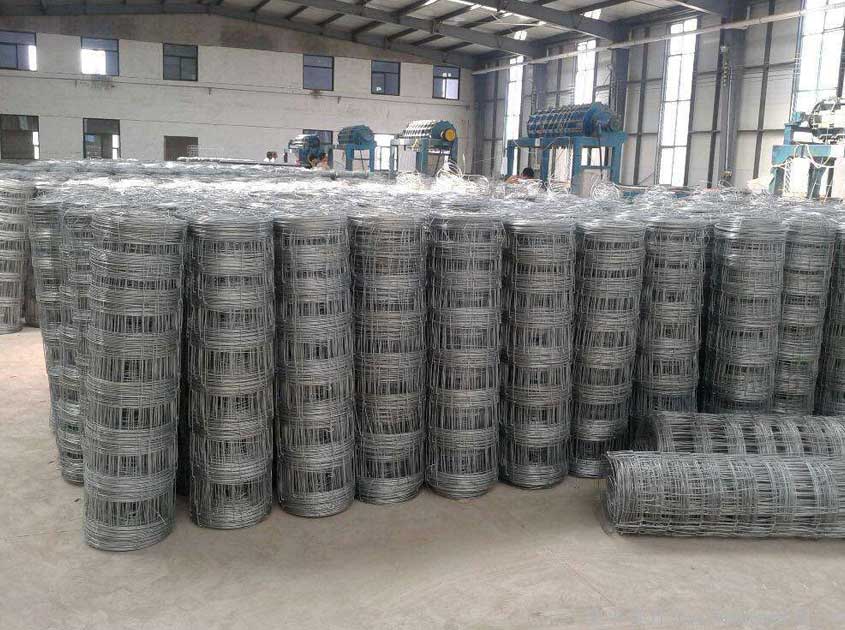
How to Choose Farm Fence for Cattle and Horses: Wire, Height and Design Guide
Pulished on Sep. 23, 2026
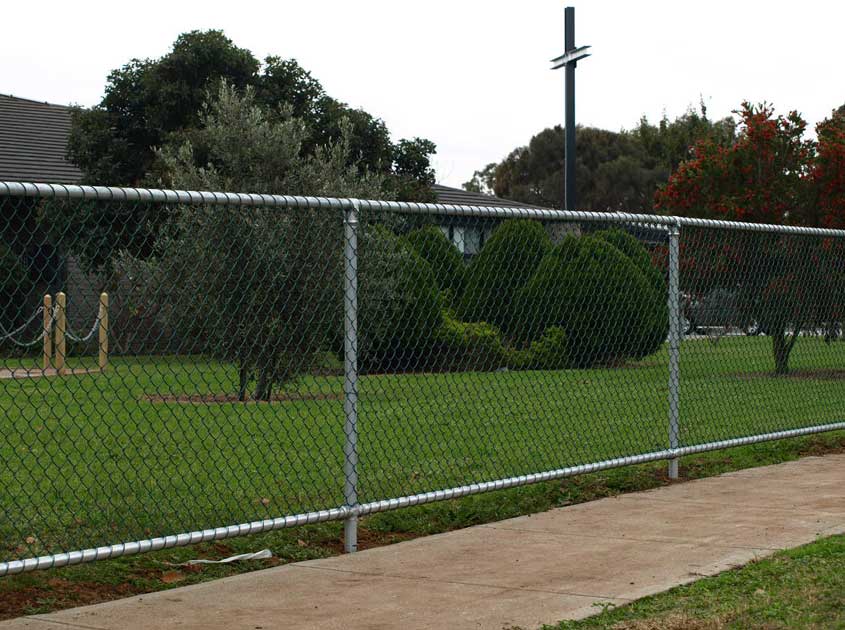
How Is Chain Link Fence Made? Manufacturing Process and Components
Pulished on Sep. 18, 2026
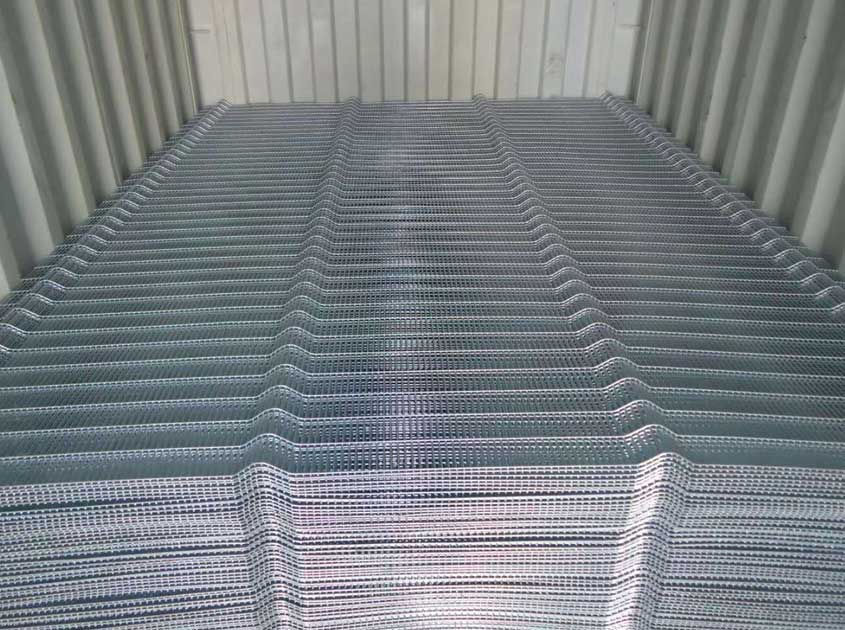
358 Security Fence vs Chain Link Fence: Security, Cost and Application Comparison
Pulished on Sep. 15, 2026
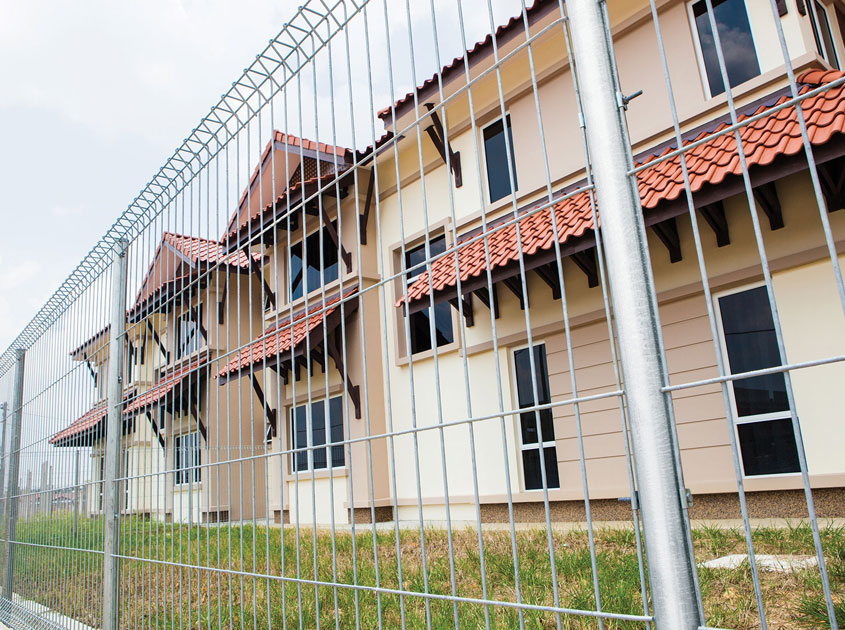
Why Choose Welded Wire Fence for Security and Protection?
Pulished on Sep. 07, 2026
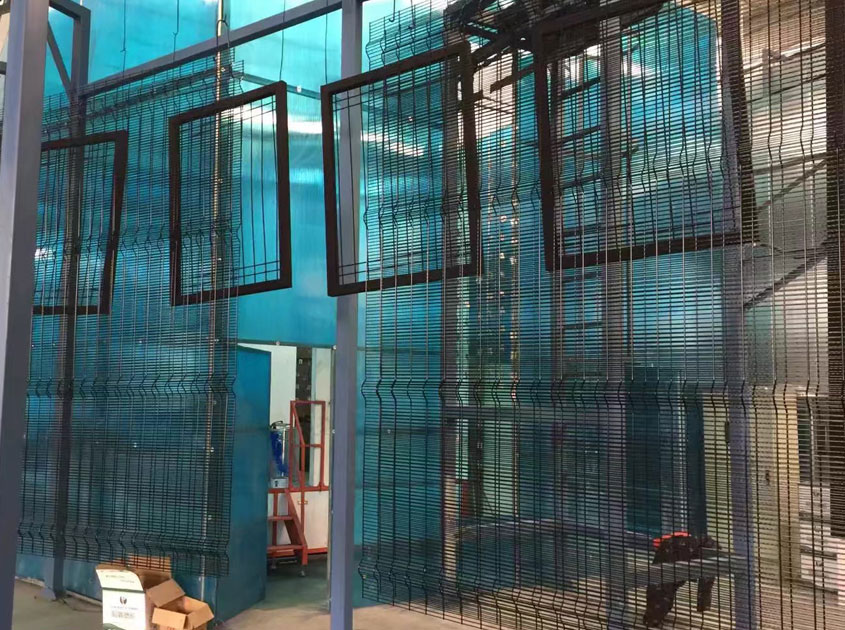
358 Security Fence Specifications and Applications Guide
Pulished on Aug. 27, 2026
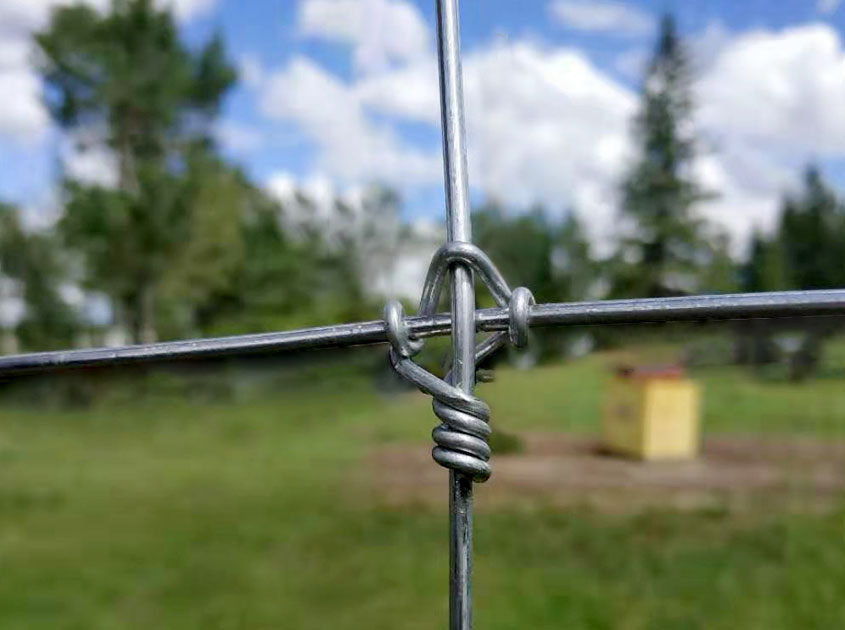
What Is Farm Fence and What Are the Main Types?
Pulished on Aug. 26, 2026
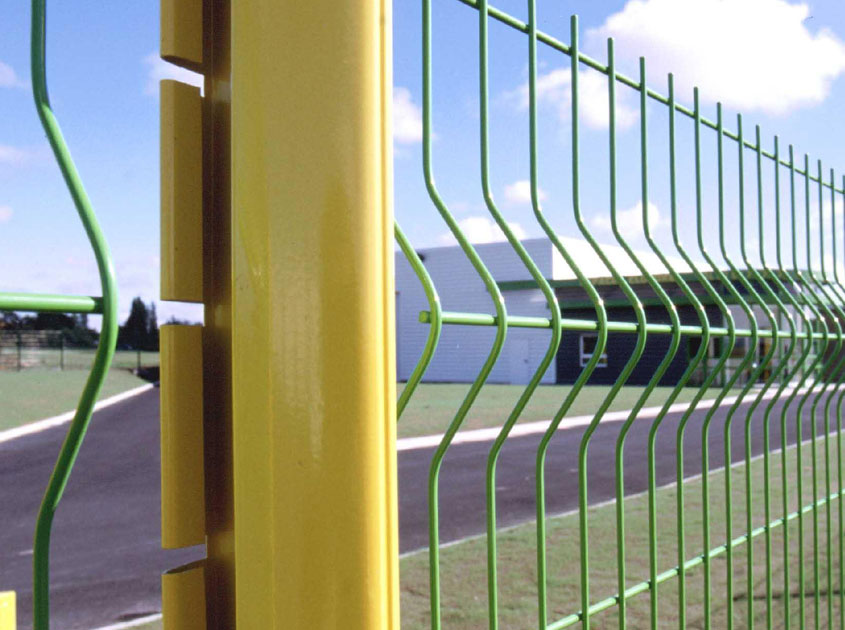
Welded Wire Fence Types, Sizes and Applications Guide
Pulished on Aug. 20, 2026
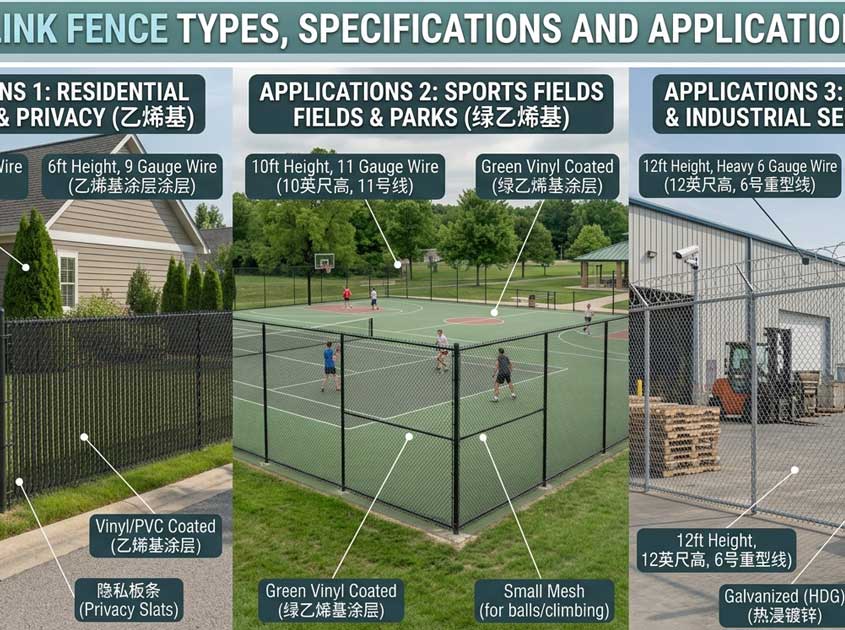
Chain Link Fence Types, Specifications and Applications Guide
Pulished on Aug. 12, 2026
How to Choose Farm Fence for Cattle and Horses: Wire, Height and Design Guide
Pulished on Sep. 23, 2026
How Is Chain Link Fence Made? Manufacturing Process and Components
Pulished on Sep. 18, 2026
358 Security Fence vs Chain Link Fence: Security, Cost and Application Comparison
Pulished on Sep. 15, 2026
Why Choose Welded Wire Fence for Security and Protection?
Pulished on Sep. 07, 2026
358 Security Fence Specifications and Applications Guide
Pulished on Aug. 27, 2026
What Is Farm Fence and What Are the Main Types?
Pulished on Aug. 26, 2026
Welded Wire Fence Types, Sizes and Applications Guide
Pulished on Aug. 20, 2026
Chain Link Fence Types, Specifications and Applications Guide
Pulished on Aug. 12, 2026